Otter Aquatics
Scuba diving changes constantly. New dive computers reach the water, training practices evolve, destinations open up, liveaboard routes change, and developments in marine conservation affect the places divers travel thousands of miles to see. Otter Aquatics follows those changes and puts them into context for people who actually care about being underwater.
We are an independent diving publication covering the stories, equipment, destinations and practical questions shaping recreational scuba and the wider underwater world. Whether you are working toward your first scuba certification, comparing equipment for your next trip or deciding where to dive next, our job is to help you understand what matters and why.
-
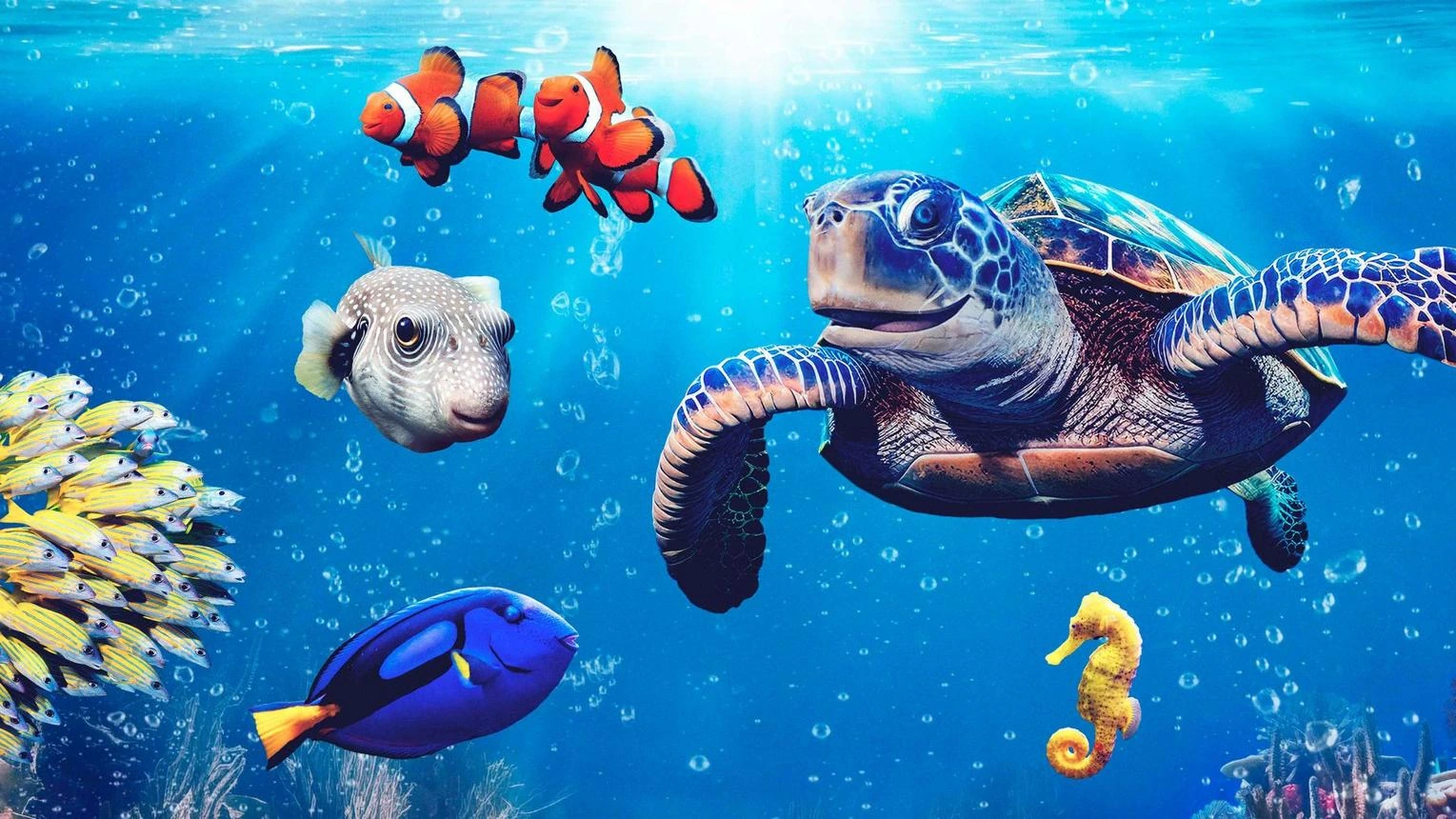
10 Cute Sea Animals That Look Almost Too Adorable to Be Real
Read More: 10 Cute Sea Animals That Look Almost Too Adorable to Be RealSome of the cutest sea animals look as though they were designed for animation rather than life underwater. Dumbo octopuses have ear-like fins, tiny nudibranchs resemble cartoon sheep,…
-
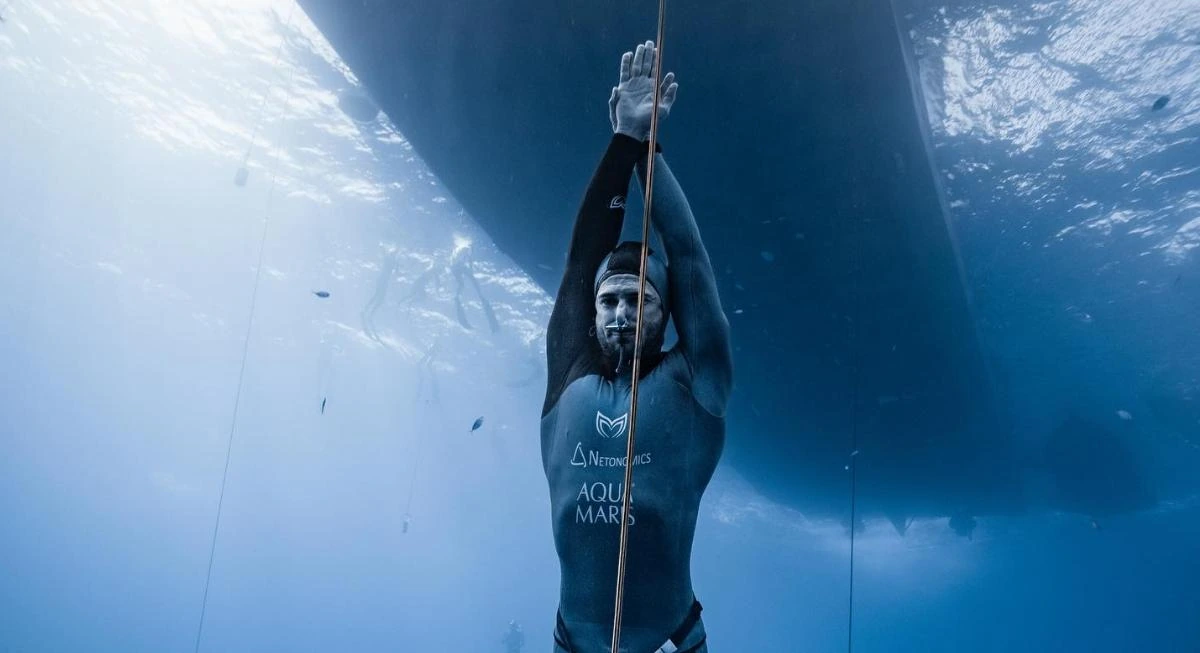
What Is the Longest Time Someone Has Held Their Breath?
Read More: What Is the Longest Time Someone Has Held Their Breath?Ethan Caldwell — freediving and breath-hold performance writer The longest breath held voluntarily underwater by a man is 29 minutes 3 seconds, achieved by Croatian freediver Vitomir Maričić…
-
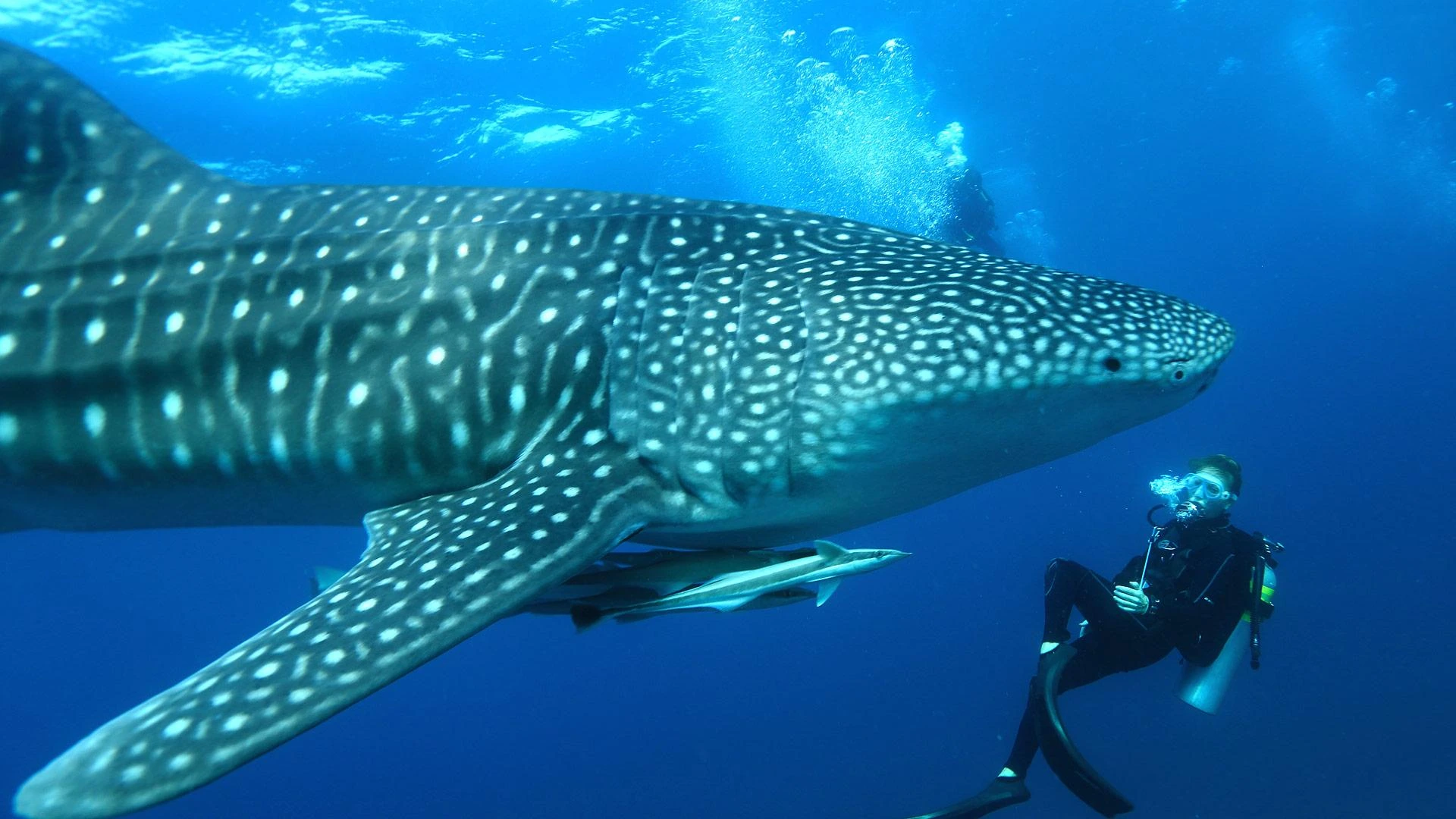
17 Animais Marinhos Incríveis e Onde Encontrá-los
Read More: 17 Animais Marinhos Incríveis e Onde Encontrá-losEncontrar animais marinhos em seu habitat natural é uma das grandes razões para continuar mergulhando. Podemos planejar uma viagem por causa dos recifes ou naufrágios, mas muitas vezes…
-
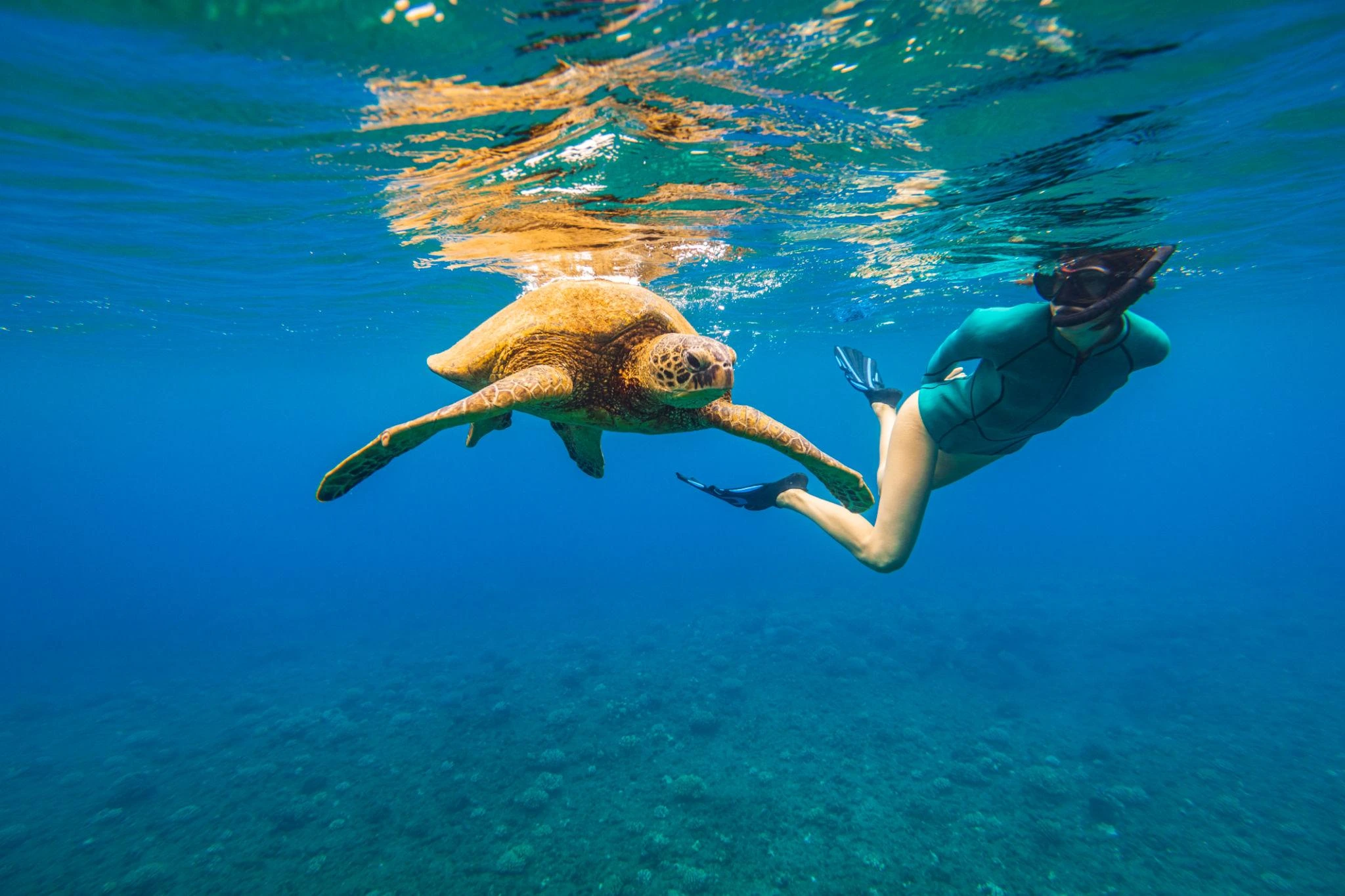
16 Best Places to Swim With Turtles Around the World
Read More: 16 Best Places to Swim With Turtles Around the WorldSwimming beside a sea turtle is one of those wildlife encounters that rarely feels ordinary, even after years of diving. The best places to swim with turtles combine…
-
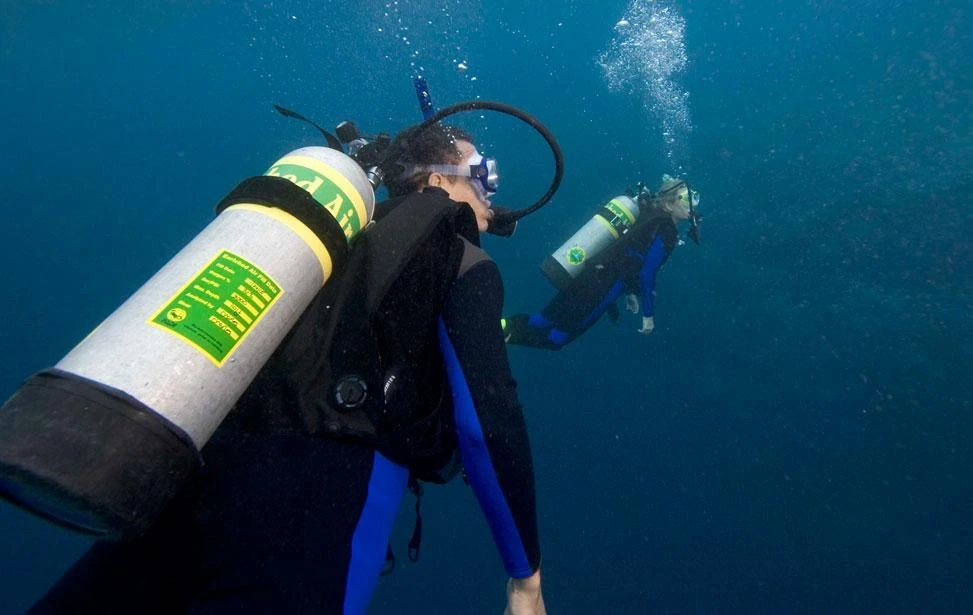
Nitrox Diving: How Enriched Air Works, Its Benefits and Its Limits
Read More: Nitrox Diving: How Enriched Air Works, Its Benefits and Its LimitsRyan Mercer — recreational scuba training writer specializing in enriched-air diving and dive planning Nitrox diving lets recreational divers breathe a gas containing more oxygen and less nitrogen…
What We Follow
Otter Aquatics covers scuba diving as an active global community rather than a single sport or travel category. That means following developments from manufacturers, training organizations, dive operators, liveaboards and destinations while keeping an eye on the oceans themselves.
Our main editorial areas include:
Some stories fit neatly into one category. Others connect several. A new dive computer, for example, can be a product story, a technology story and a practical question about how divers use information underwater.
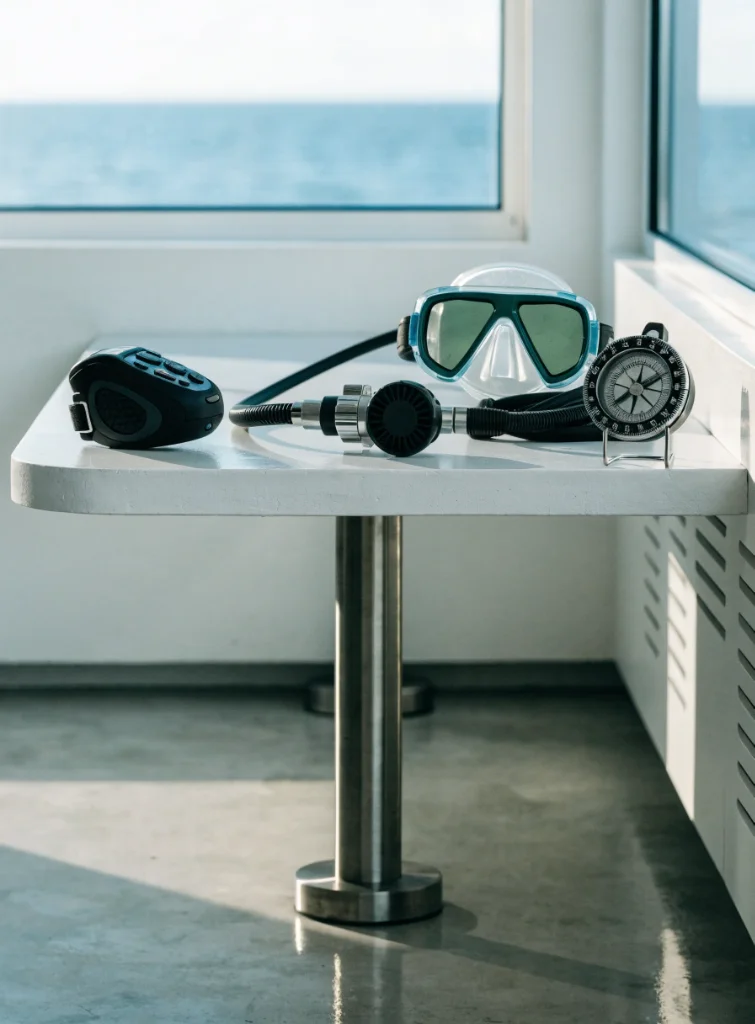
Gear Beyond Launch Day
Training, Skills and Safety
Getting certified is the beginning of a diver’s education. Questions continue from the first pool session through advanced recreational diving, technical training and years of travel.
Otter Aquatics explains scuba certification and the differences between major training pathways in practical terms. Comparisons such as PADI vs SSI vs NAUI matter because new divers often encounter several agencies before they understand how certification, instruction and progression actually work.
We also cover the questions that tend to appear once people start diving regularly: why scuba divers enter the water backwards, how safety stops work, how buoyancy affects a dive, what nitrogen narcosis means, and how long a diver should wait before flying.
Calculators and practical resources remain part of that coverage. SAC rate, scuba weight, tank-time and flying-after-diving calculations can turn abstract concepts into information a diver can use. They are educational aids, and they should be used alongside appropriate training, established diving procedures and professional guidance where required.
The World Underwater
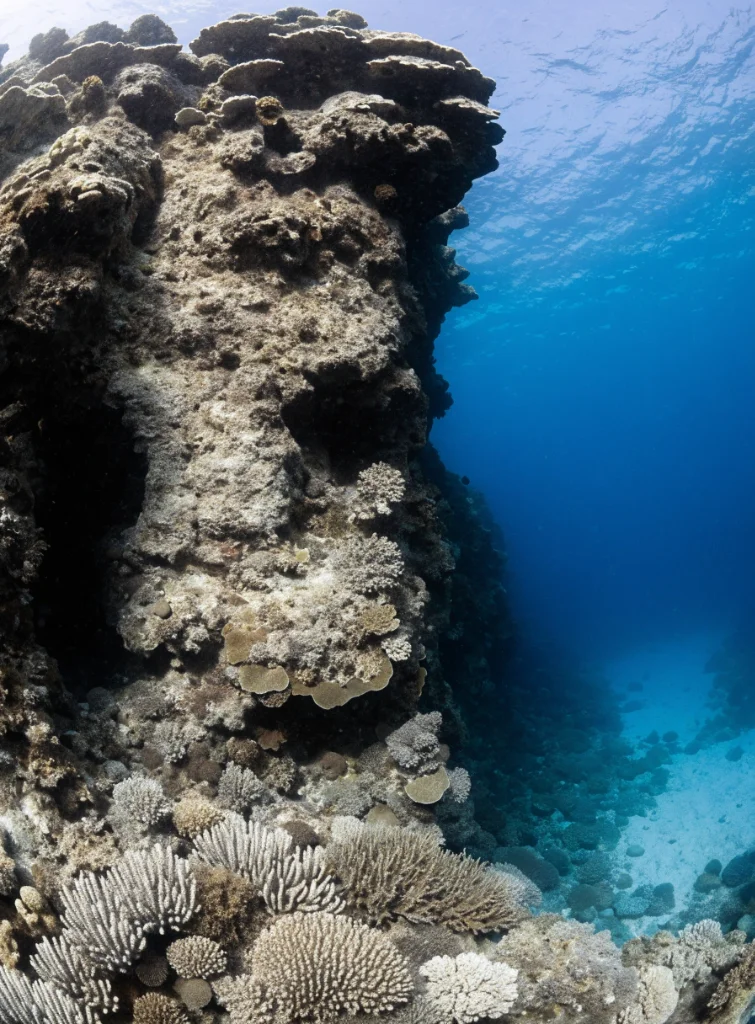
For many divers, choosing the best places to scuba dive is as exciting as the dive itself. A destination can be about coral walls in the tropics, a cold-water wreck, a shore entry close to a city, encounters with large pelagic species or a reef suitable for a newly certified diver.
Our destination reporting looks at what makes a location distinctive underwater and what a diver needs to know before building a trip around it. Thailand, Indonesia, the Philippines, Mexico, the Bahamas, Belize, Palau, Australia, Costa Rica, the Galápagos and the Red Sea are all part of the wider map, alongside local sites such as Blue Heron Bridge and Miami’s diving areas.
Marine encounters deserve their own attention too. Searches for the best places to swim with turtles, see sea lions or encounter sharks are really questions about location, season, conditions and responsible wildlife interaction. We approach these stories with that context in mind.
The result is destination coverage designed around the dive itself: what is there, who the location suits, how the experience changes through the year and what makes one site different from another.
Life Aboard
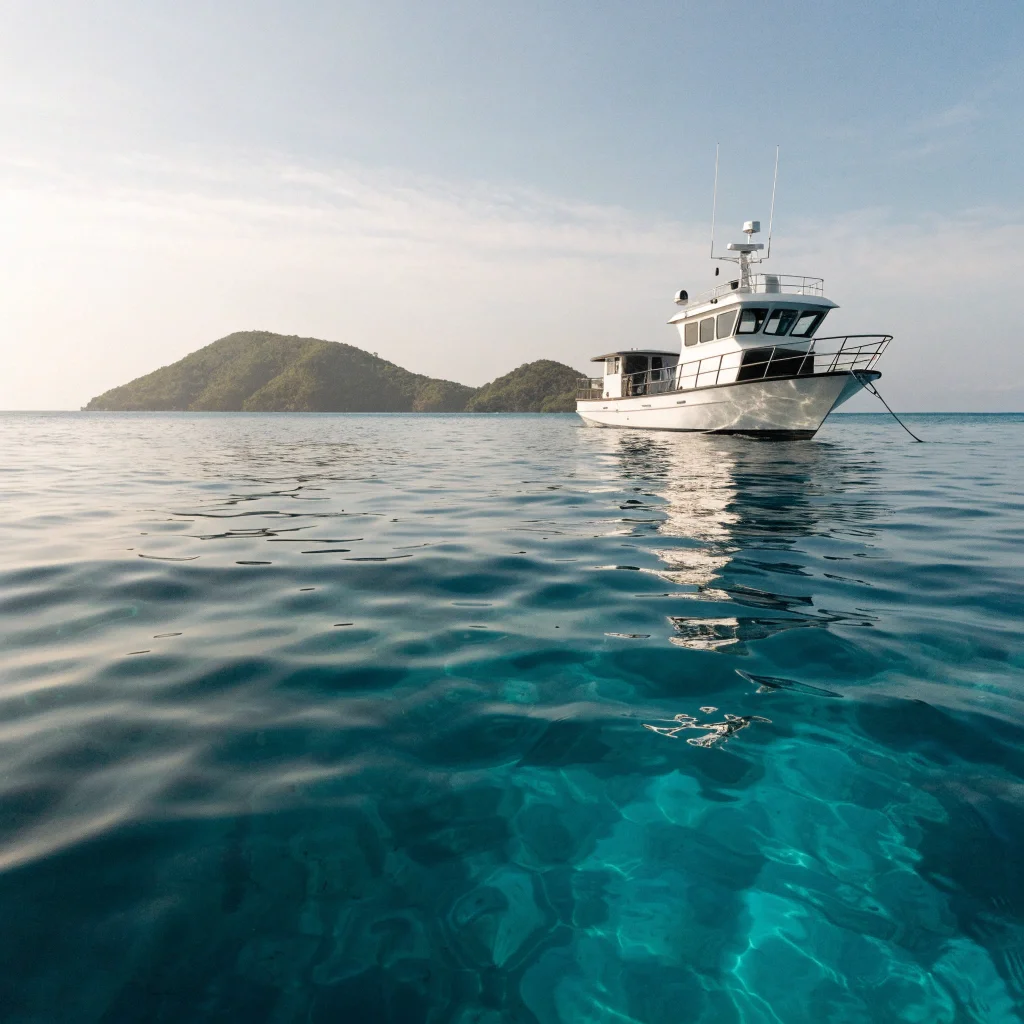
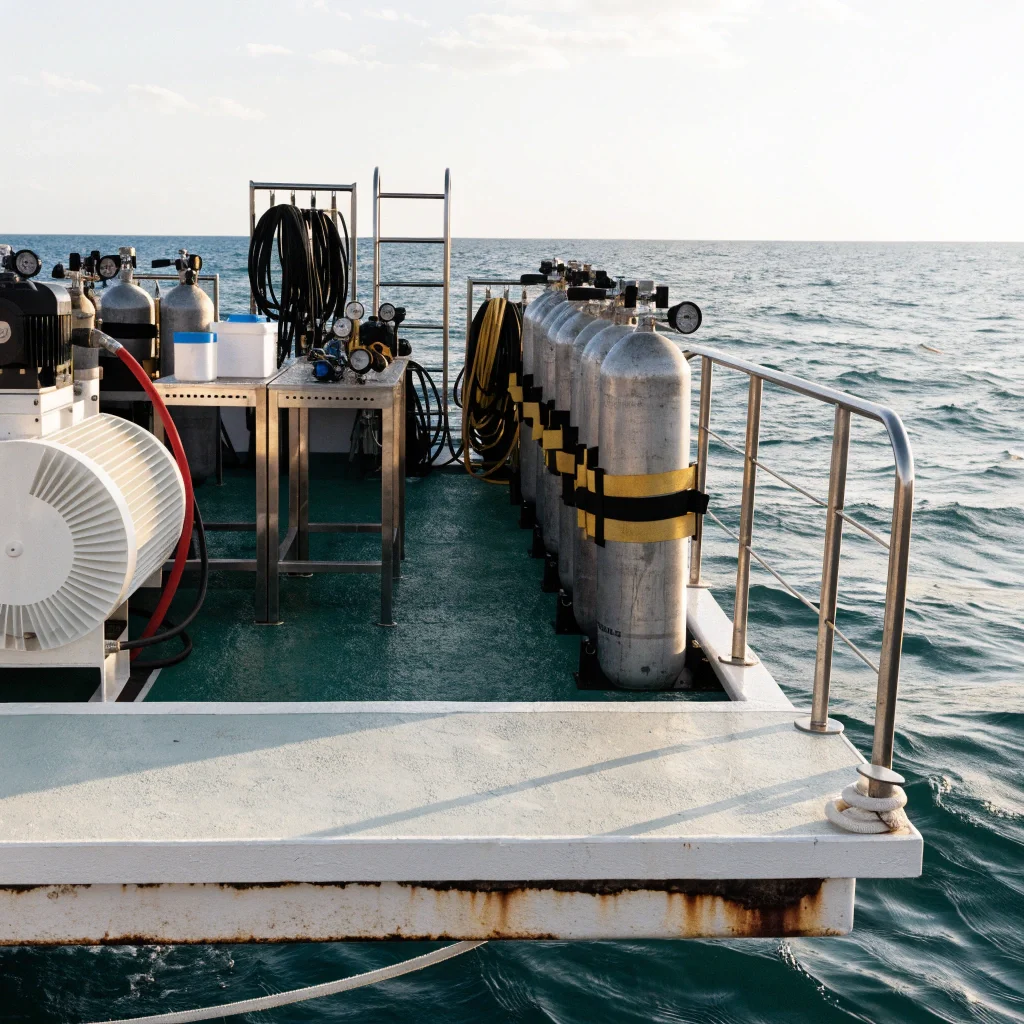
Liveaboards occupy a distinctive corner of dive travel. They can put divers close to remote reefs and allow several dives a day, but the experience depends heavily on the vessel, itinerary, conditions and type of trip.
Otter Aquatics has a long history of covering liveaboard diving, including Blackbeard’s cruises in the Bahamas, Aqua Cat, Komodo routes, Palau, Belize, the Galápagos, Mexico, Costa Rica, Australia and other major diving regions.
That coverage continues as part of our editorial focus. Readers can expect liveaboard news, destination roundups, vessel-focused articles and practical explanations for people considering their first trip at sea.
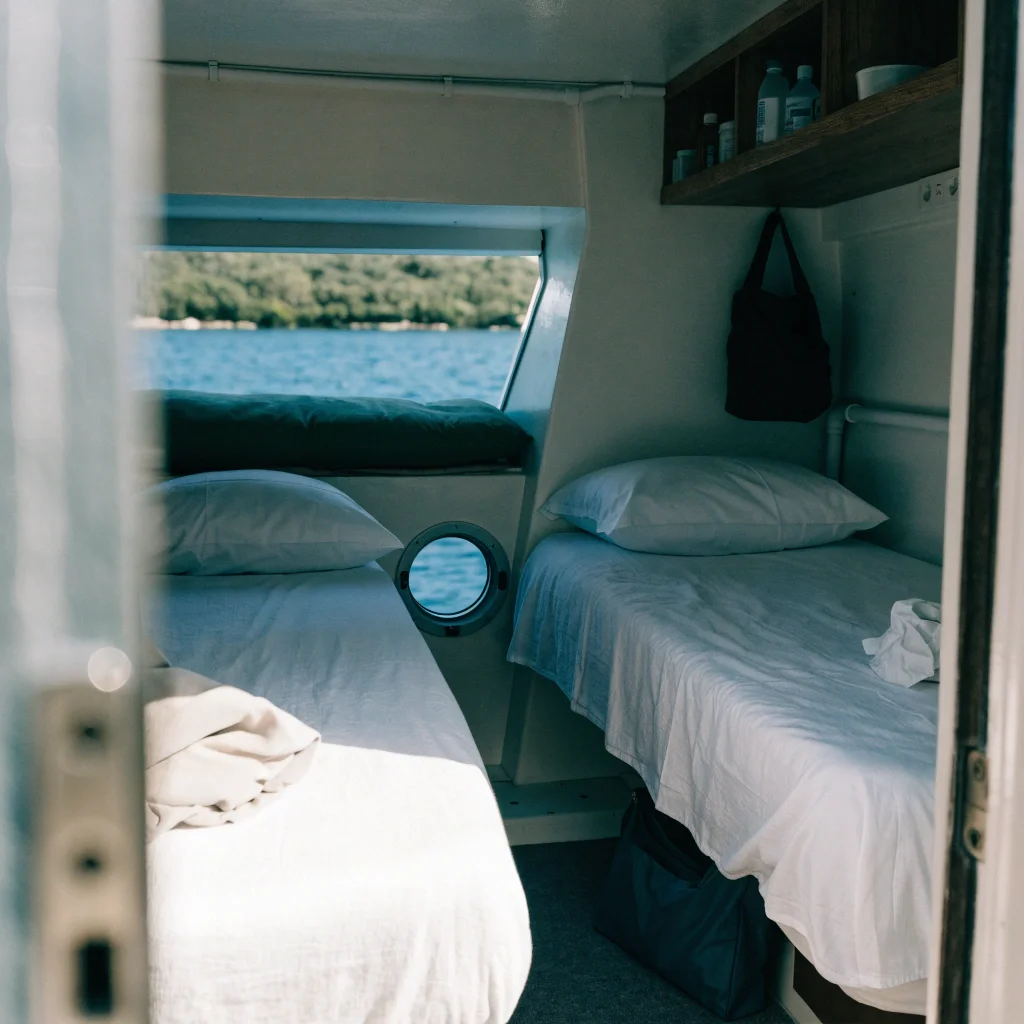
A useful liveaboard story should help answer more than whether a boat looks impressive in photographs. Route, diving schedule, accommodation, trip style, accessibility and the type of underwater experience all influence whether a particular itinerary makes sense for a particular diver.
Oceans in the Story
Diving depends on healthy underwater environments, so marine conservation belongs inside everyday dive coverage.
We follow stories involving reefs, sharks and rays, turtles, marine protected areas, responsible dive tourism, citizen science and conservation work connected with the diving community. These subjects can directly affect destinations and the wildlife divers hope to encounter.
This also changes how we approach travel stories. A list of spectacular locations has limited value if it ignores how people interact with the environment once they arrive. Wildlife encounters, reef diving and underwater photography all come with choices that influence the places being visited.
Otter Aquatics treats the ocean as part of the story every time a story depends on it.
How We Cover Diving
A diving publication needs to distinguish between an announcement and information that changes something for the reader.
When a manufacturer launches equipment, we look for the practical consequence. When a destination attracts attention, we ask what divers can actually experience there. When training or safety is involved, terminology needs to be clear enough that a new diver can follow the subject while still being useful to someone with more time underwater.
Different stories therefore call for different formats:
Reviews and rankings also need context. A beginner dive computer and a technical diving computer solve different problems. The best travel fins may not be the fins someone chooses for regular cold-water diving. Equipment coverage is more useful when the intended diver, environment and use case are clear.
That same editorial logic applies across Otter Aquatics: give readers enough context to make the information useful.