10 Cute Sea Animals That Look Almost Too Adorable to Be Real
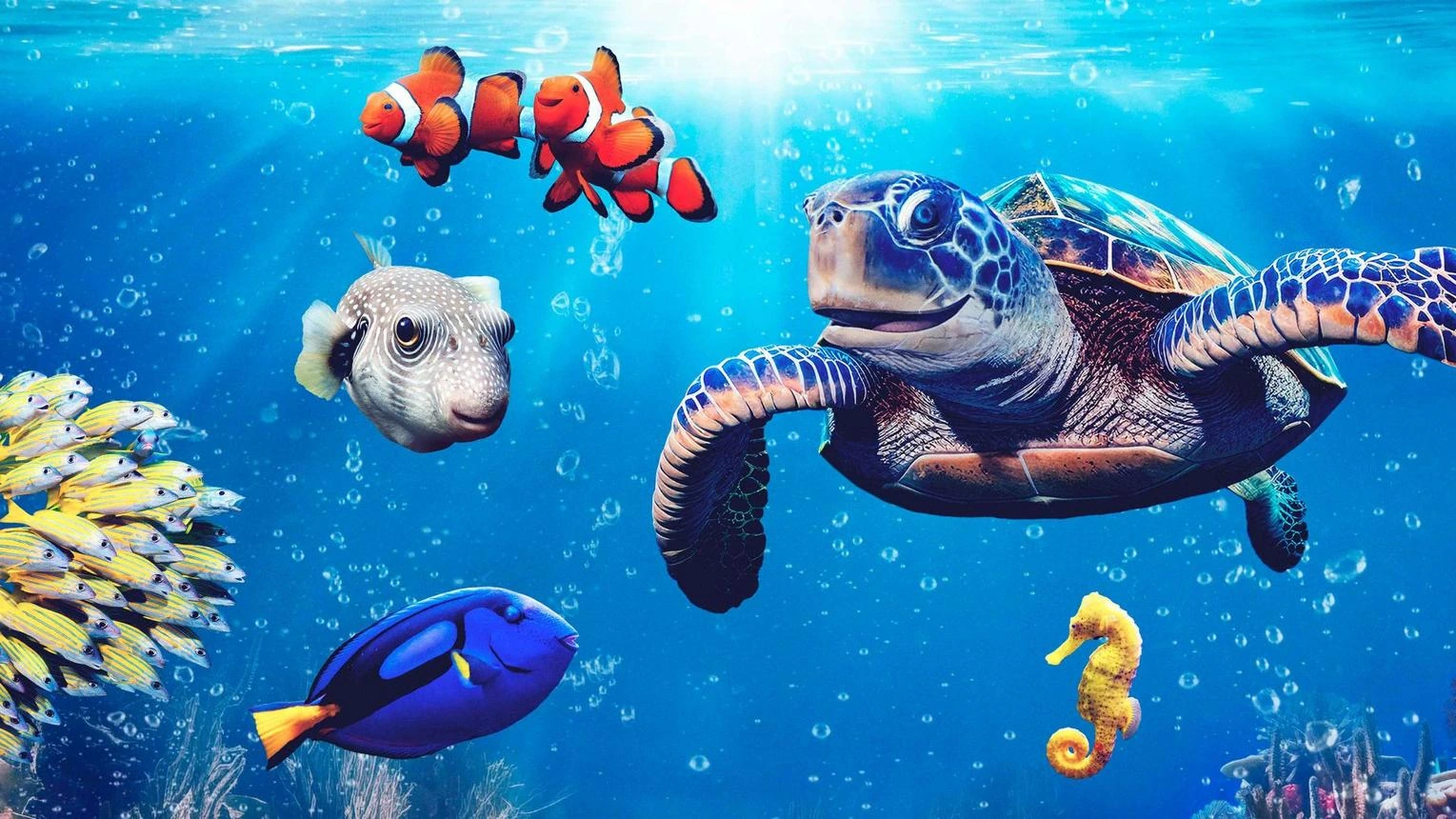
Some of the cutest sea animals look as though they were designed for animation rather than life underwater. Dumbo octopuses have ear-like fins, tiny nudibranchs resemble cartoon sheep, juvenile boxfish look like swimming yellow cubes, and pygmy seahorses can be smaller than a fingernail.
But appearances can be deceptive. Some of these cute sea creatures live thousands of meters below the surface, others possess powerful toxins, and several are masters of camouflage that even experienced divers struggle to find.
Here are 10 cute ocean animals worth knowing—and what makes each one much more interesting than its appearance suggests.
1. Dumbo Octopus
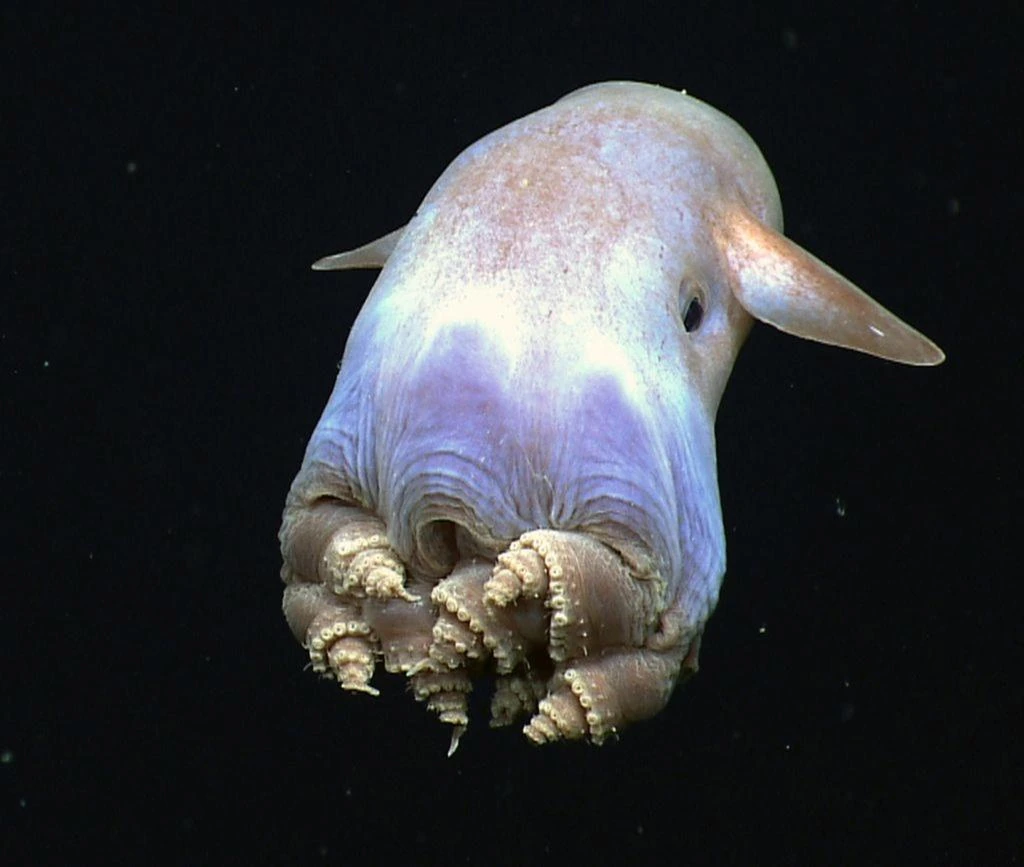
Few deep-sea animals have a name as appropriate as the Dumbo octopus.
Members of the genus Grimpoteuthis have two prominent fins above their eyes that resemble oversized ears. Combined with a rounded body and relatively large eyes, those fins give them an unmistakably cartoon-like appearance.
The “ears” are actually fins used for movement. Rather than relying entirely on jet propulsion like many familiar octopuses, Dumbo octopuses can flap their fins and use movements of the webbing between their arms to travel through the water.
They are genuine deep-sea animals, occurring at depths far beyond recreational scuba diving. That makes seeing one in its natural habitat extremely unlikely for ordinary divers.
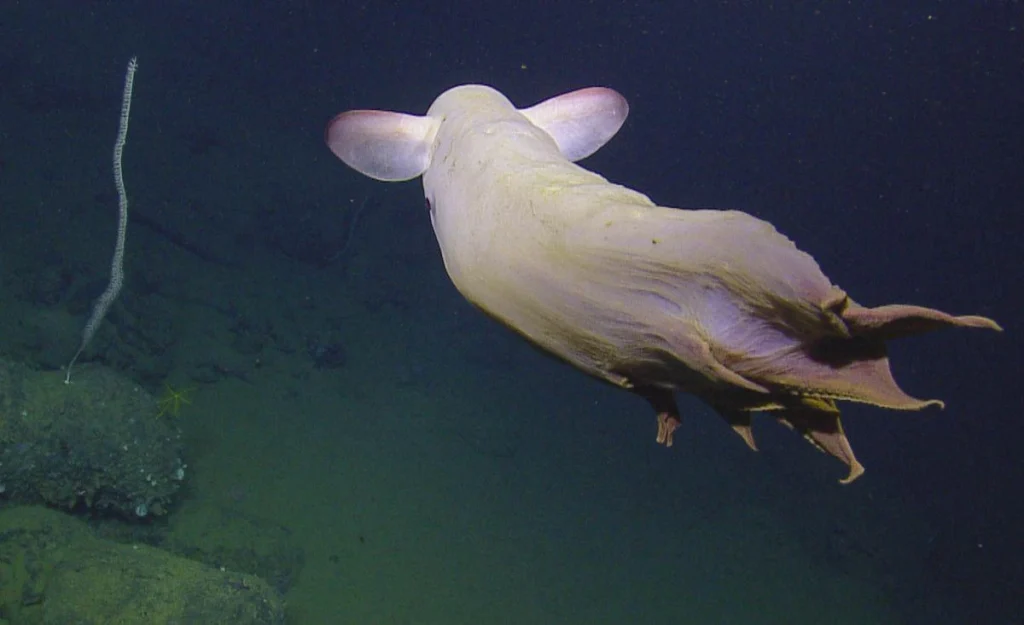
Unlike the shallow-water octopuses hiding around a reef, these strange little cephalopods inhabit one of Earth’s least accessible environments.
Why they’re cute: ear-like fins and rounded bodies
Where they live: deep ocean worldwide
Can divers see them? Not during normal recreational diving
2. Pufferfish
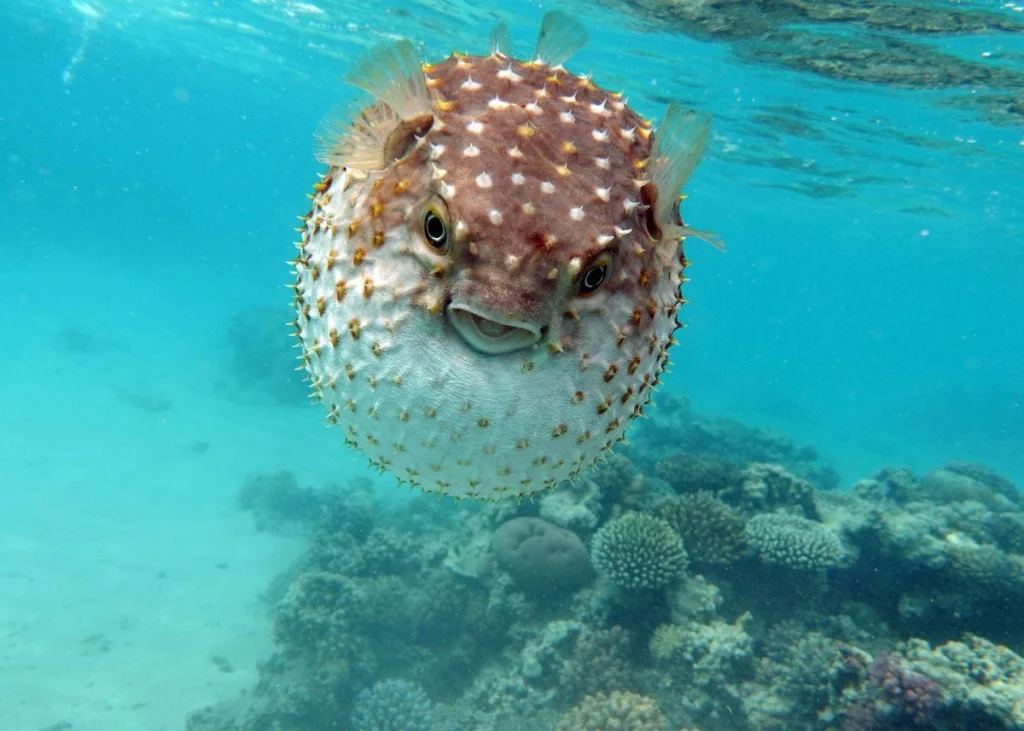
A pufferfish can look permanently surprised.
Its large eyes, small mouth and rounded face make it one of the most recognizable cute underwater animals on tropical reefs. Porcupinefish, close relatives within the order Tetraodontiformes, add another visual feature: prominent spines.
That adorable appearance hides an impressive defense system.
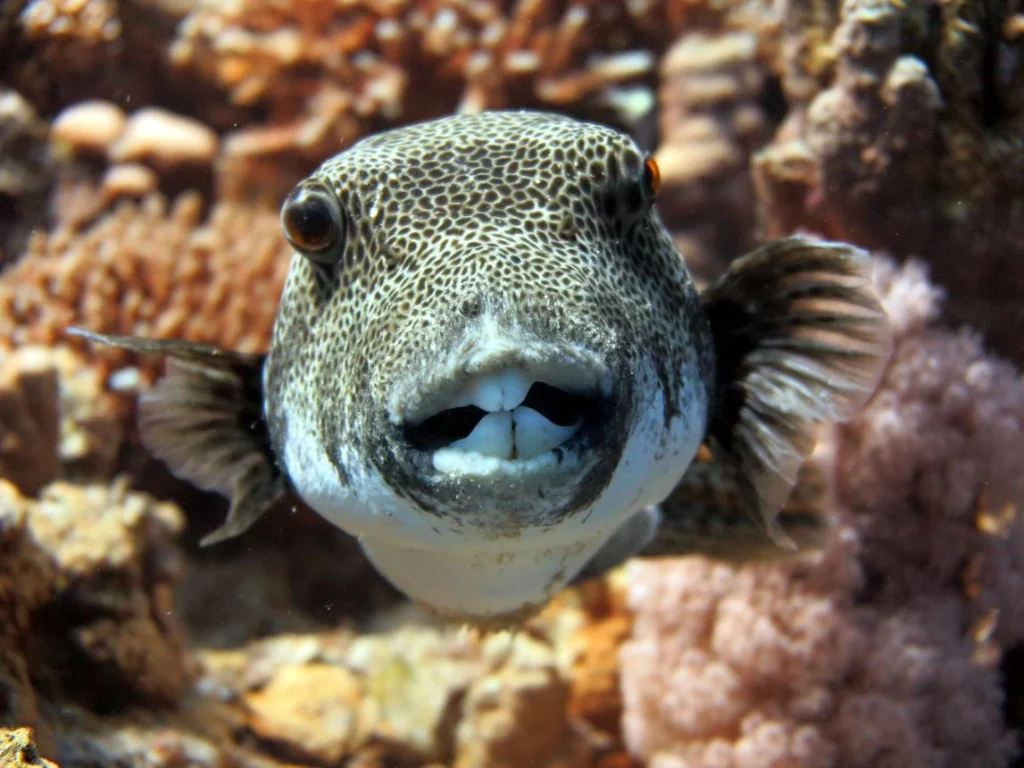
When threatened, pufferfish can rapidly take in water and expand their bodies, making themselves much harder for a predator to swallow. Some species also contain tetrodotoxin, a powerful neurotoxin concentrated in particular tissues.
Divers should never deliberately frighten a pufferfish to make it inflate. Inflation is a defensive response, not a trick the animal performs for photographs.
Why they’re cute: huge eyes and round faces
Where they live: tropical and subtropical waters worldwide
Can divers see them? Yes, commonly at many reef destinations
3. Costasiella Nudibranch — the “Sea Sheep”
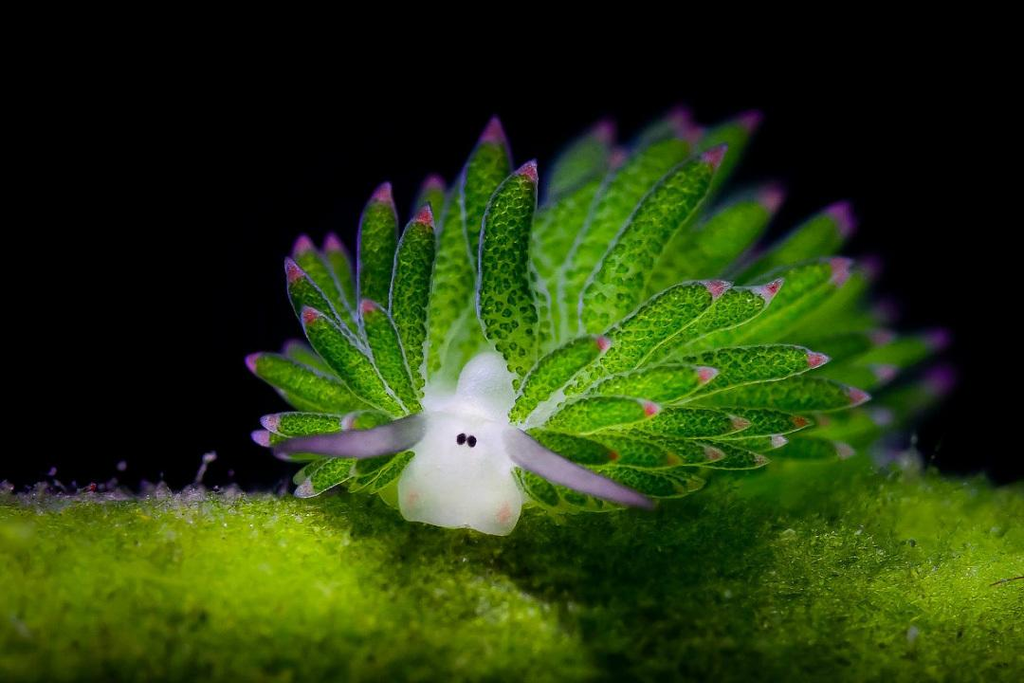
If there were a competition for the cutest tiny sea creature, Costasiella kuroshimae would be difficult to beat.
This nudibranch is often nicknamed the leaf sheep or “sea sheep” because its face and projecting structures create a surprisingly sheep-like appearance when photographed at macro scale.
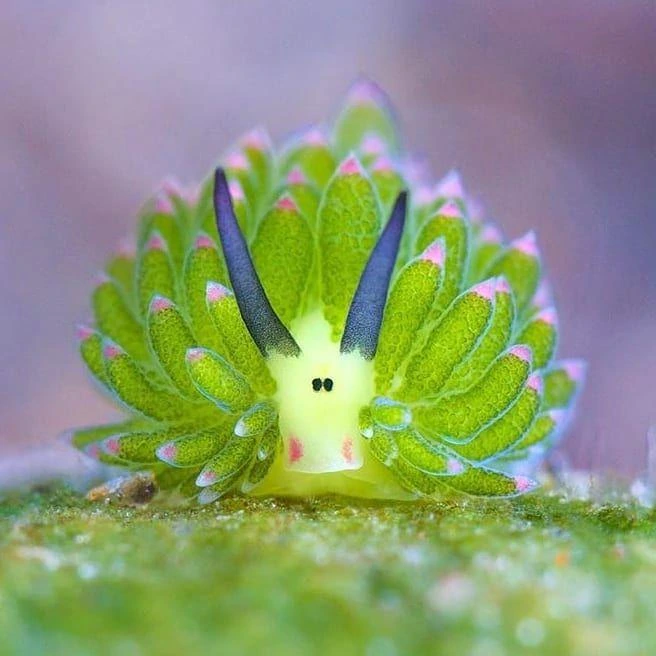
The illusion becomes even more impressive when you consider its size. These animals are tiny, so the detailed photographs seen online can make them look far larger than they really are.
They feed on algae and belong to a group of sacoglossan sea slugs with a particularly unusual biological ability: they can retain functional chloroplasts obtained from the algae they consume, a phenomenon known as kleptoplasty.
Finding one requires patience and sharp eyes.
For macro divers, this is where “cute” becomes a spotting challenge. A photograph may show every facial detail, but underwater you’re searching for something tiny against an already complicated background.
Why they’re cute: sheep-like face and tiny size
Where they live: parts of the Indo-Pacific
Can divers see them? Yes, but a skilled macro guide helps enormously
4. Beluga Whale
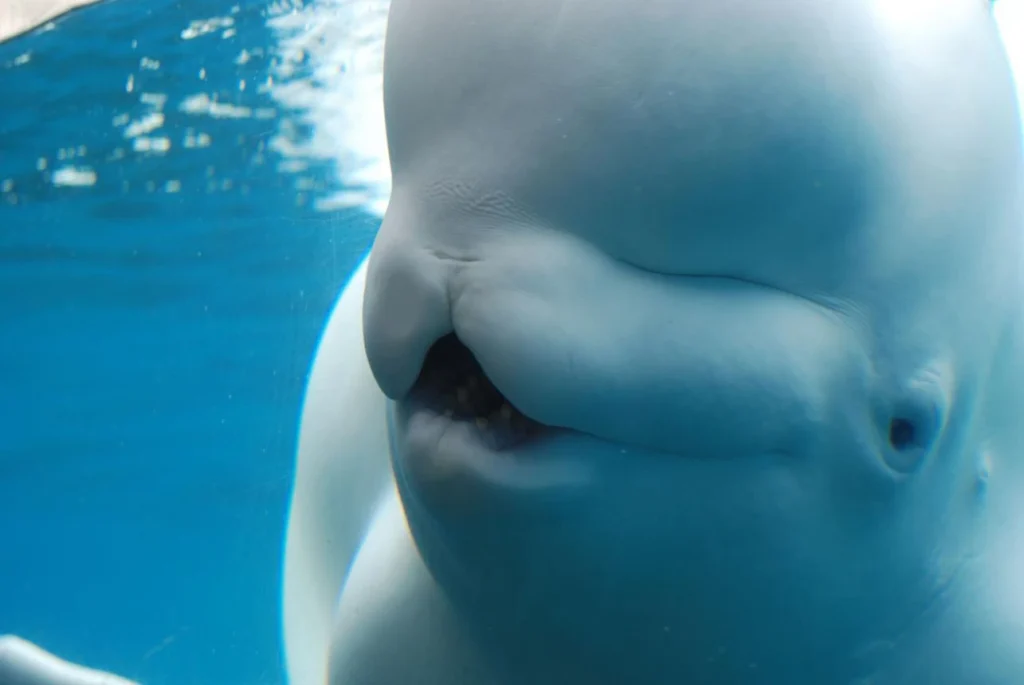
Belugas have a combination of features humans seem almost programmed to find endearing: a rounded forehead, small eyes and an expressive-looking mouth.
Adults are also unusual among whales because of their predominantly white coloration.
Belugas inhabit Arctic and sub-Arctic waters, where their thick layer of blubber helps them cope with extreme cold. They are highly vocal animals and produce a wide variety of whistles, clicks and other sounds used in communication and echolocation.
Their prominent forehead is called a melon, an important structure associated with producing and focusing echolocation sounds.
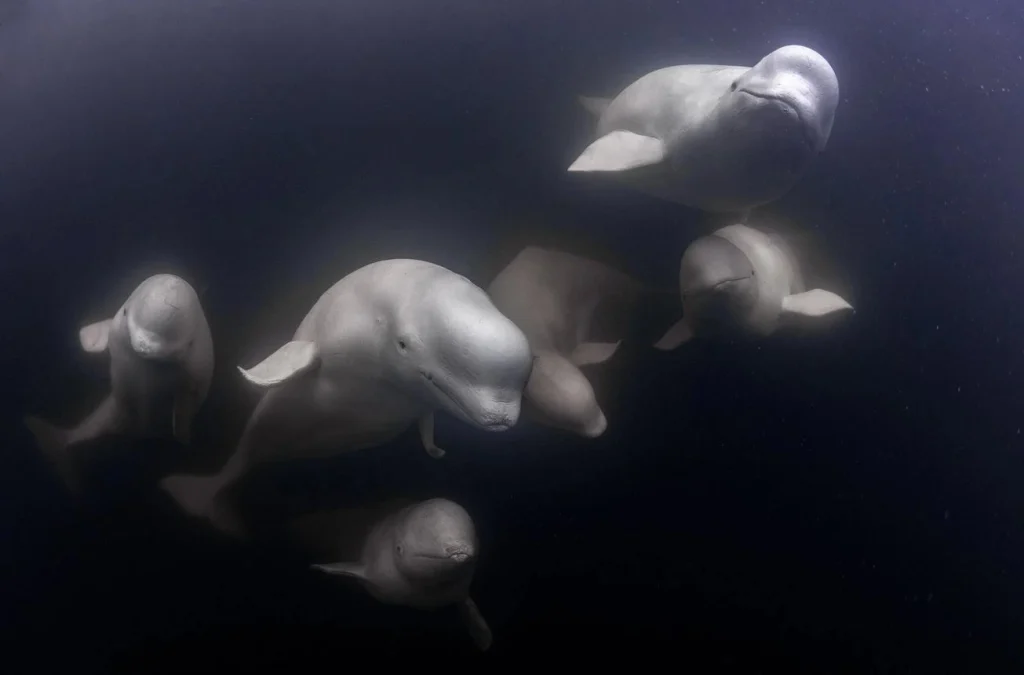
Unlike a reef fish that a diver can simply search for at a known site, wild beluga encounters require specific northern habitats and responsible wildlife operations.
Why they’re cute: rounded forehead and expressive face
Where they live: Arctic and sub-Arctic regions
Can divers see them? Possible in specialized encounters, but not a typical scuba sighting
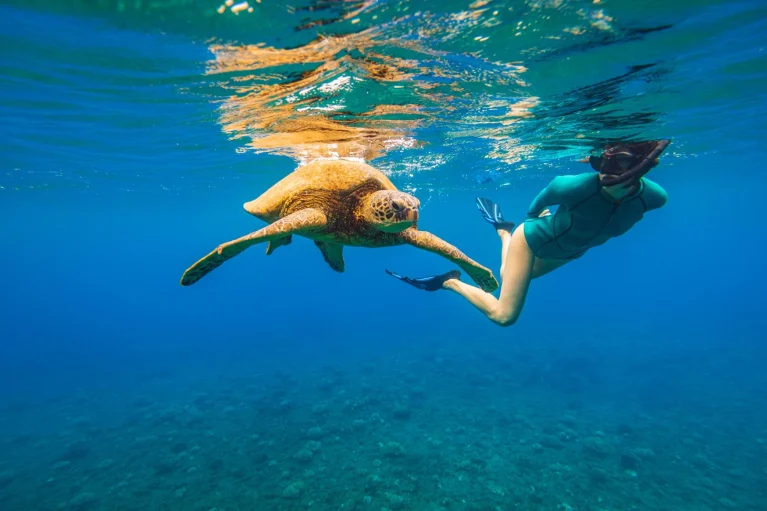
5. Green Sea Turtle
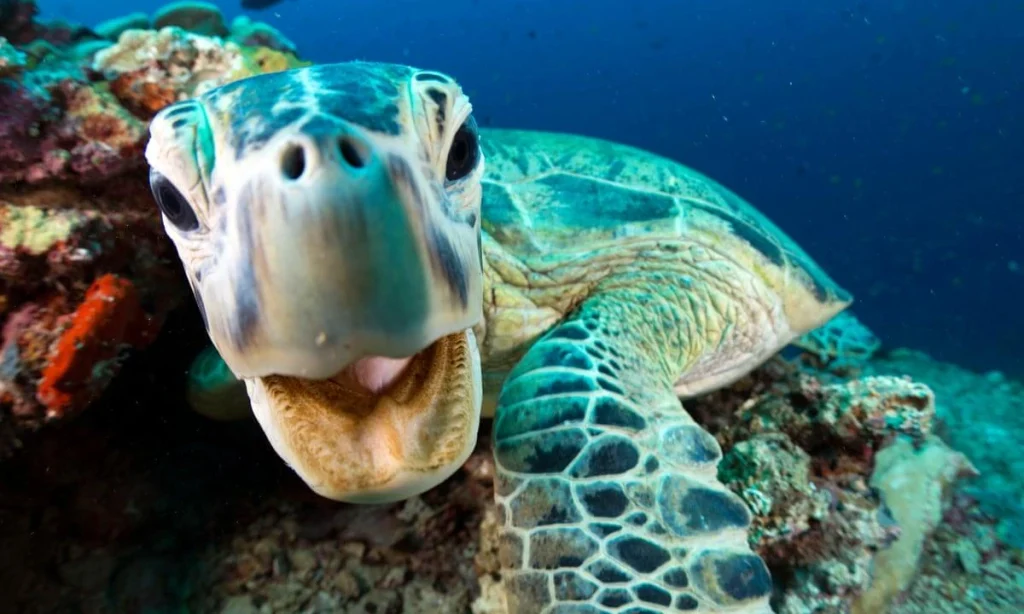
Few marine animals have crossed the line from “diver favorite” to universally loved wildlife quite as successfully as the green sea turtle.
Its rounded head, large eyes and slow, seemingly effortless movement underwater give it an unmistakably gentle appearance.
Green turtles inhabit tropical and subtropical seas and can often be observed around seagrass beds and coral reefs. Hawaii, Mexico, the Red Sea, Australia and parts of Southeast Asia are among the regions where snorkelers and divers regularly encounter them.
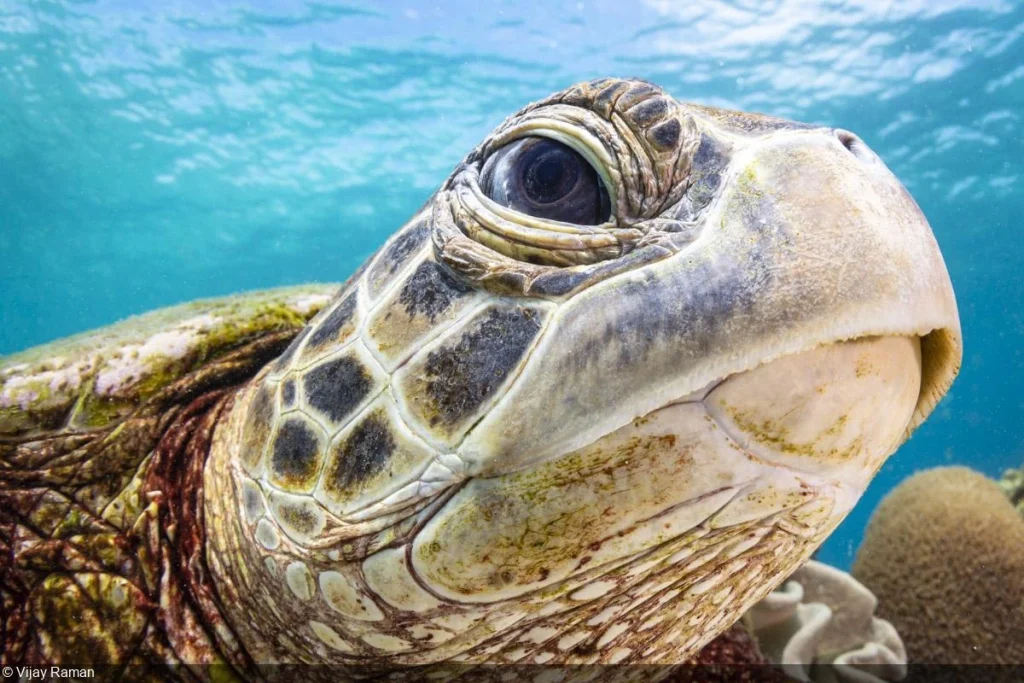
Despite their calm appearance, sea turtles are wild animals and should never be touched, ridden or blocked when they swim toward the surface to breathe.
Why they’re cute: large eyes and calm appearance
Where they live: tropical and subtropical oceans
Can divers see them? Yes, at many snorkeling and diving destinations
6. Bigeye Thresher Shark
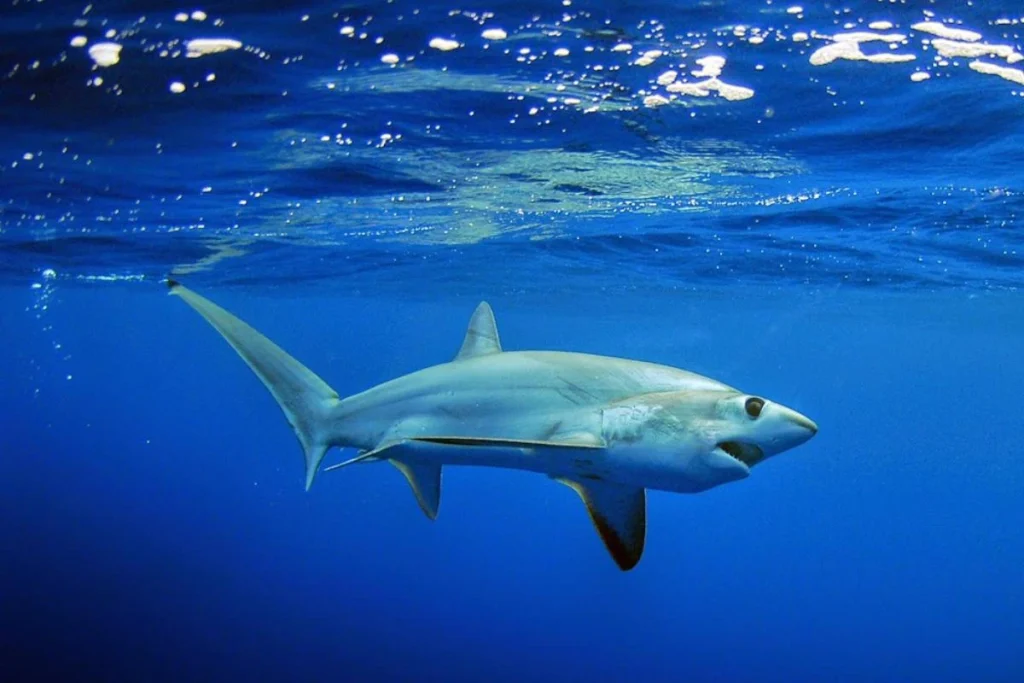
“Adorable” probably isn’t the first word most people associate with sharks.
The bigeye thresher makes a convincing argument for reconsidering that.
As its name suggests, this species has unusually large eyes. Combined with its relatively small mouth, the result is an almost permanently startled expression.
Its most spectacular feature, however, is the tail. Thresher sharks possess an exceptionally elongated upper lobe of the caudal fin. They can use this whip-like tail during hunting to stun schooling prey.
Bigeye threshers are pelagic sharks and are not commonly encountered on ordinary reef dives. Their deep-ranging lifestyle makes sightings much less predictable than those of many coastal shark species.
Why they’re cute: enormous eyes and small mouth
Where they live: tropical and temperate oceans
Can divers see them? Possible, but sightings are uncommon and location-dependent
7. Bottlenose Dolphin
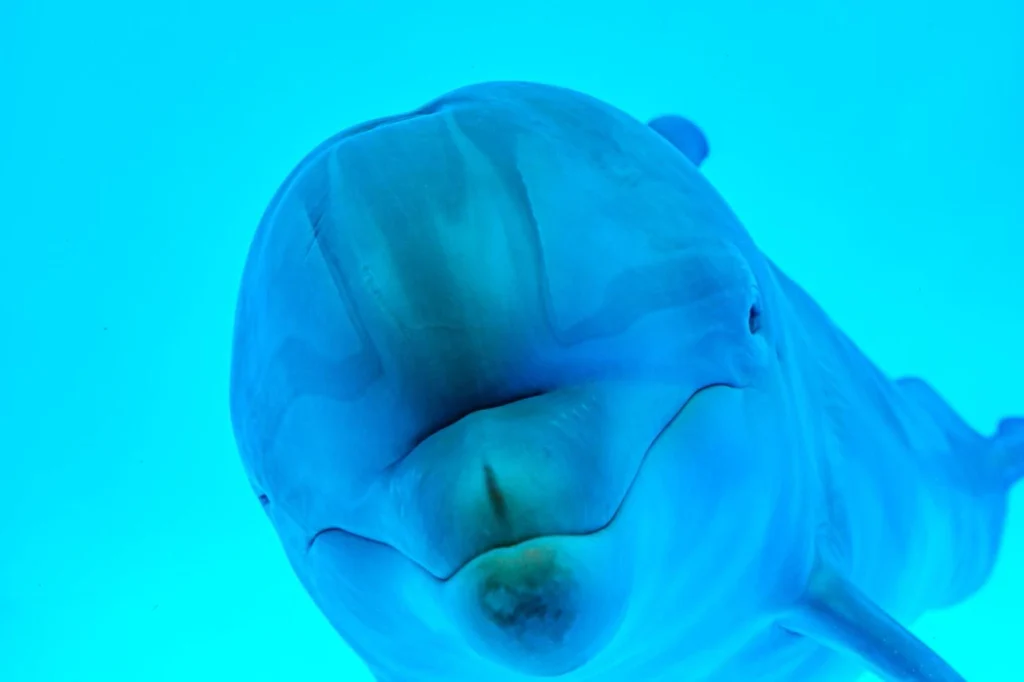
Bottlenose dolphins look like they’re smiling, even though that familiar expression is primarily a consequence of their anatomy rather than their emotional state.
That hasn’t stopped them from becoming some of the world’s most beloved marine mammals.
Their appeal goes beyond appearance. Bottlenose dolphins are intelligent, highly social predators with sophisticated communication and cooperative behavior.
They occur across many temperate and tropical coastal waters. Divers sometimes encounter wild dolphins underwater, but sightings from boats or during appropriately managed snorkeling activities are often more likely.
A dolphin approaching people should always be allowed to control the interaction. Chasing a pod rarely creates a better wildlife encounter.
Why they’re cute: curved mouth, playful movement and social behavior
Where they live: temperate and tropical waters worldwide
Can divers see them? Yes, although underwater encounters are unpredictable
8. Juvenile Yellow Boxfish
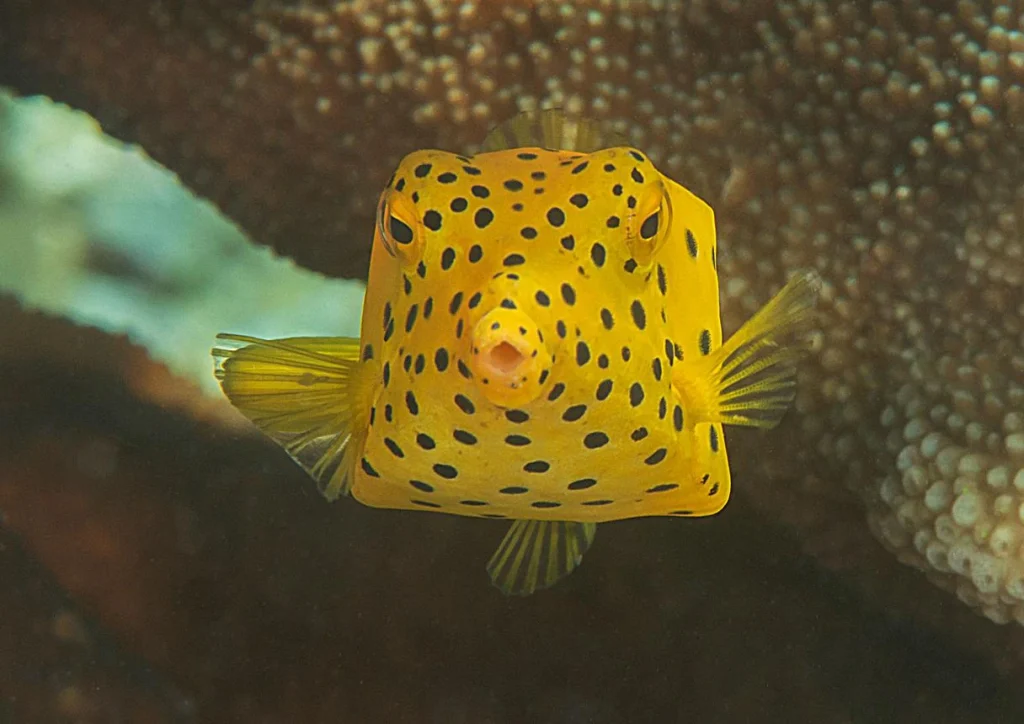
The juvenile yellow boxfish looks like someone gave a bright yellow dice fins and released it onto a coral reef.
Its body is almost cube-shaped and decorated with dark spots. Add tiny fins, large eyes and puckered lips, and the result is one of the most distinctive cute ocean animals a diver can encounter.
Juveniles are especially photogenic. As yellow boxfish mature, their coloration and pattern change considerably.
Their unusual body shape comes from a rigid structure formed by fused bony plates beneath the skin. Instead of flexing their bodies like many fish, boxfish rely heavily on movements of their fins for precise maneuvering.
They can be frustrating subjects for macro photographers because small juveniles rarely remain exactly where the camera wants them.
Why they’re cute: cube-shaped yellow body and tiny fins
Where they live: tropical Indo-Pacific reefs
Can divers see them? Yes
9. Pygmy Seahorse
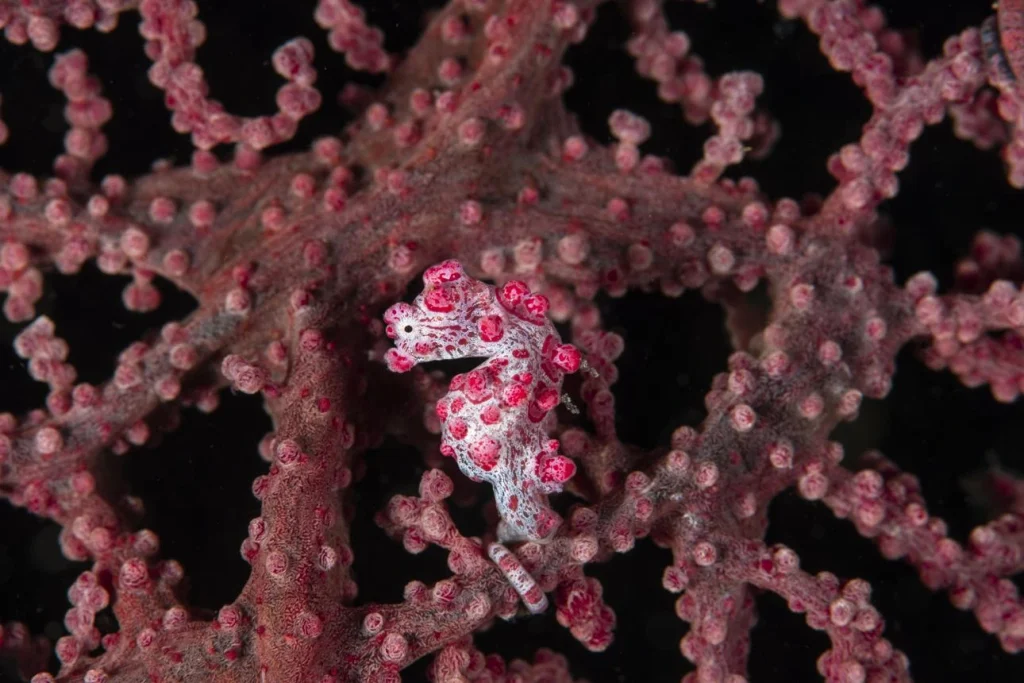
Pygmy seahorses demonstrate how easily an animal can disappear without going anywhere.
Some species live closely associated with gorgonian corals and have colors and surface textures that closely resemble their host. A diver can stare at the right section of coral and still miss the animal completely.
Their tiny dimensions make the challenge even greater.
That combination of miniature size, curled tail and horse-like head makes pygmy seahorses favorites among macro photographers. But getting the photograph should never take priority over protecting the animal and its host coral.
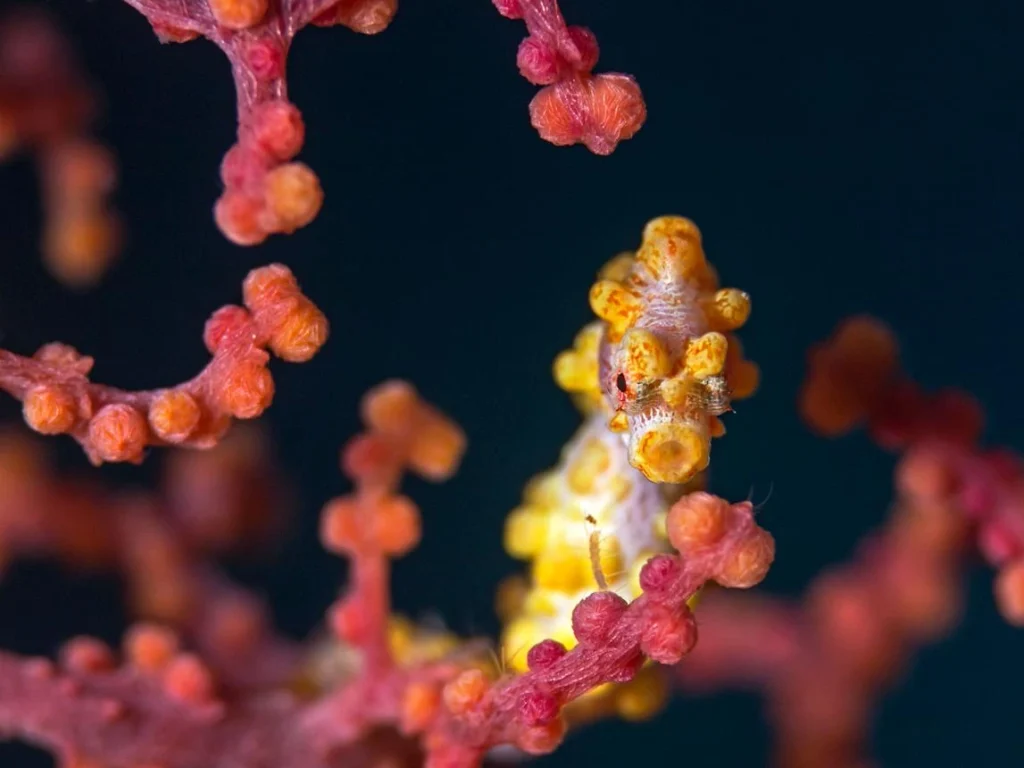
I find that the best pygmy-seahorse encounters happen when divers stop trying to get impossibly close. Good buoyancy and patience protect the gorgonian and usually produce a calmer observation anyway.
Why they’re cute: miniature size and seahorse shape
Where they live: Indo-Pacific coral habitats
Can divers see them? Yes, especially with an experienced local guide
10. Axolotl — Adorable, but Not Actually a Sea Animal
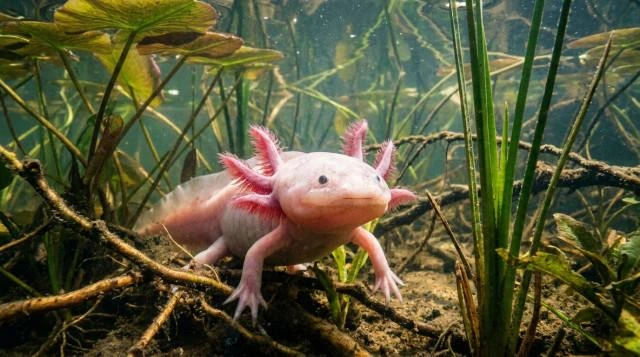
The axolotl deserves a mention because it appears constantly on lists of rare cute sea animals—but scientifically, it does not belong there.
An axolotl (Ambystoma mexicanum) is a freshwater salamander, not a marine animal.
Its feathery external gills, tiny eyes and wide mouth create the famous smiling appearance that made the species an internet favorite. Unlike many amphibians, axolotls normally retain juvenile aquatic characteristics throughout adulthood, a phenomenon called neoteny.
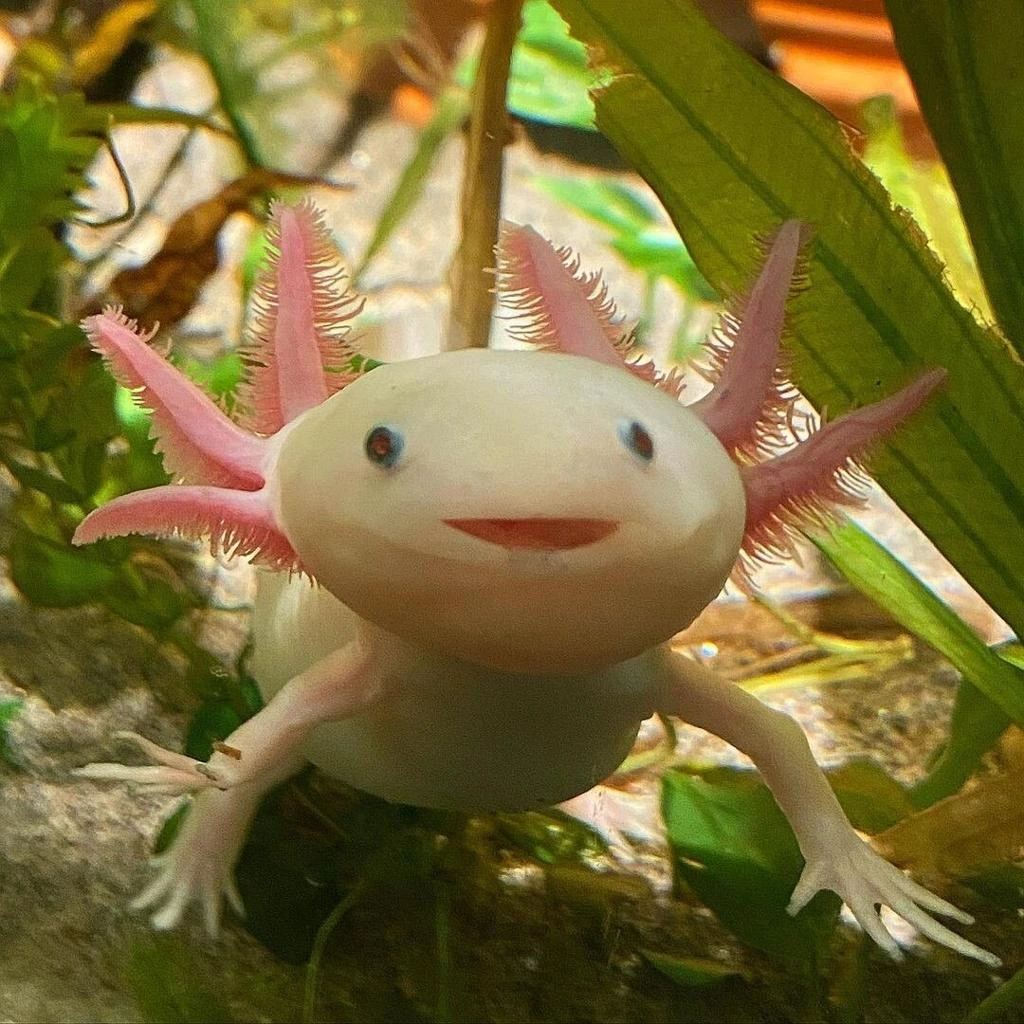
Wild axolotls are native to the freshwater canal and wetland system of Xochimilco in Mexico City. Their wild population has suffered severely from habitat degradation, pollution and invasive species.
So although the original “cute underwater animal” idea fits perfectly, calling an axolotl a cute sea creature would be inaccurate.
Why they’re cute: feathery gills and smile-like mouth
Where they live: freshwater habitat around Xochimilco, Mexico
Can scuba divers see them in the sea? No
What Makes So Many Sea Animals Look Cute?
“Cuteness” is a human interpretation rather than a biological characteristic.
We tend to respond strongly to traits such as large eyes, rounded heads, small bodies and features that resemble facial expressions. Many underwater animals happen to possess combinations of those characteristics.
But those features evolved for practical reasons.
The Dumbo octopus’s apparent “ears” are swimming fins. A beluga’s rounded melon plays a role in echolocation. The bigeye thresher’s oversized eyes help it function in low-light environments. A pygmy seahorse’s appearance is strongly tied to camouflage.
Even the pufferfish’s famous round shape becomes exaggerated because of a defense mechanism rather than an attempt to look adorable.
The biology behind these animals is usually more interesting than the resemblance we see in their faces.
Which Cute Sea Creatures Can You Actually See While Diving?
For recreational divers, the easiest animals on this list to encounter are generally pufferfish, green sea turtles and boxfish, provided you dive in the appropriate regions.
Pygmy seahorses and tiny nudibranchs are also accessible to divers but require much better observation skills. Macro-focused destinations in Southeast Asia are particularly good for these miniature animals.
Dolphins and thresher sharks are less predictable because they are highly mobile.
Belugas require specialized cold-water wildlife trips, while Dumbo octopuses live far beyond recreational diving depths.
That distinction matters when planning a trip. An animal can be widespread geographically without being easy to find underwater.
How to Observe Cute Underwater Animals Responsibly
Being small or photogenic does not make an animal comfortable with human contact.
Do not touch marine animals, reposition them for photographs or deliberately trigger defensive behavior. Never provoke a pufferfish into inflating, and avoid pushing a camera into coral simply to photograph a pygmy seahorse.
With turtles, dolphins and other mobile animals, allow them to decide how close the encounter becomes.
Good buoyancy is especially important around small creatures. A diver concentrating on a two-centimeter nudibranch can easily forget what their fins are doing behind them.
The best underwater wildlife encounters are usually the simplest ones: find the animal, stay controlled, watch what it does naturally and leave without changing its behavior.
There are plenty of cute sea animals beneath the surface, from familiar turtles and dolphins to bizarre deep-sea octopuses and almost invisible seahorses. The closer you look, though, the less “cute” becomes the interesting part. Each of these animals has evolved a remarkable set of adaptations for surviving in an environment very different from ours.
Claire Whitmore — marine wildlife writer specializing in underwater species and responsible diving